Should You Include Utilities in Rent? Pros and Cons

One of the most common questions rental property owners ask is whether utilities should be included in the monthly rent. Utilities such as water, electricity, gas, trash, and internet are essential services for tenants. Deciding who should pay for them can affect rental pricing, tenant satisfaction, and property management efficiency. For landlords in Long Beach working with property management companies, the decision to include utilities in rent often depends on the type of property, the local rental market, and the structure of the building. Single-family homes, duplexes, and multi-unit apartment buildings may each have different approaches to utility billing.
Professional property management in Long Beach California helps owners evaluate the pros and cons of including utilities so they can choose the structure that best fits their property and investment goals.
What Utilities Are Typically Included in Rent?
Utilities generally refer to the basic services required for tenants to live comfortably in a home. In some rental properties, especially apartment buildings, certain utilities are shared among units and may be included in the monthly rent because separating the bills is difficult. For landlords managing properties through property management services, determining which utilities to include often depends on the building’s infrastructure and metering systems.
Depending on the rental property, these utilities may be paid by the tenant or included in the rent by the landlord. Common utilities include:
- Water and sewer
- Electricity
- Natural gas
- Trash and recycling services
- Internet or cable (occasionally included in furnished rentals)
Advantages of Including Utilities in Rent
Including utilities in rent can simplify the rental experience for tenants. When tenants pay a single monthly payment that covers both rent and utilities, budgeting becomes easier and the overall rental process feels more convenient. From a property management perspective, including utilities can also make a rental listing more attractive to potential tenants. Some renters prefer the simplicity of “all-inclusive” rent because it eliminates the need to manage multiple utility accounts.
An additional advantage is that landlords can build estimated utility costs into the monthly rent. This allows the owner to maintain predictable revenue while providing tenants with a simplified billing structure. In property management in Long Beach CA, including utilities is sometimes common in smaller apartment buildings or older properties where utility meters are shared between units.
Disadvantages of Including Utilities in Rent
While including utilities can make rental payments simpler for tenants, it also creates potential risks for landlords. One of the biggest challenges is that utility costs can fluctuate depending on usage. If utilities are included in rent, tenants may not feel motivated to conserve electricity, water, or gas because they are not directly responsible for paying the bills. This can lead to higher overall utility costs for the property owner. Landlords must also estimate average utility expenses when setting the rental price. If those estimates are too low, the owner may end up absorbing unexpected costs.
Professional rental property management often helps landlords evaluate these risks when deciding whether utilities should be included in rent.
When It Makes Sense to Include Utilities
In some situations, including utilities in rent can be the most practical option. Properties where this approach may work well include:
- Small apartment buildings with shared meters
- Studio apartments or accessory dwelling units (ADUs)
- Short-term or furnished rentals
- Older properties where installing separate meters is difficult
In these situations, including utilities can simplify management and prevent the need for complicated billing systems. For example, an ADU or guest house located on the same property as the main home may share water and electricity. Including utilities in the rent allows the owner to avoid installing additional meters. Many property management companies in Long Beach CA recommend this approach when separating utilities is not practical.
When Tenants Should Pay Utilities Separately
In many rental properties, especially single-family homes and newer apartment buildings, tenants are responsible for their own utilities. Separating utilities offers several advantages for landlords. When tenants pay their own utility bills, they are more likely to monitor their consumption and avoid excessive usage. Tenant-paid utilities can also simplify accounting for property owners. Rather than tracking fluctuating utility costs, landlords collect rent while tenants handle their own service accounts.
Professional Long Beach property management companies often recommend tenant-paid utilities for properties that have individual meters installed for each unit. This structure allows utility companies to bill tenants directly, reducing administrative work for property owners.
The Role of Utility Metering
Utility metering plays a major role in determining whether utilities should be included in rent. Properties with individual meters for each unit make it easy to assign responsibility to tenants.
When each unit has separate meters, tenants can establish their own utility accounts and pay the service providers directly. This is the most common setup for single-family homes and modern apartment complexes. However, some older multi-unit buildings have shared utility systems that serve multiple units with a single meter. In these cases, separating utility bills can be more complicated. Professional property managers in Long Beach CA often help landlords evaluate whether submetering or utility allocation systems might be appropriate for these types of properties.
Utility Allocation Systems for Multi-Unit Properties
When individual meters are not available, some landlords use utility allocation systems to distribute utility costs among tenants. These systems divide the total utility bill among units based on factors such as:
- Unit size
- Number of occupants
- Square footage
- Fixed percentage allocations
Utility allocation systems can provide a compromise between including utilities in rent and requiring tenants to pay their own accounts. In property management in Long Beach CA, these systems are sometimes used in older apartment buildings where installing individual meters would be too expensive.
How Utility Decisions Affect Rental Pricing
Whether utilities are included in rent or paid separately will influence how the rental property is priced. When utilities are included, landlords typically set rent slightly higher to cover estimated utility expenses. The rent must account for average usage while leaving room for fluctuations. If tenants pay utilities separately, the advertised rent may be lower because utility costs are not included. Rental pricing strategies often depend on market expectations. In some markets, tenants expect utilities to be included, while in others it is standard for tenants to pay their own bills. Professional property management services analyze local rental trends to determine the most effective pricing structure.
Communicating Utility Policies Clearly
Regardless of how utilities are handled, clear communication with tenants is essential. Lease agreements should clearly explain:
- Which utilities are included in rent
- Which utilities tenants must pay directly
- Any limits on included utilities
- Billing procedures for shared utilities
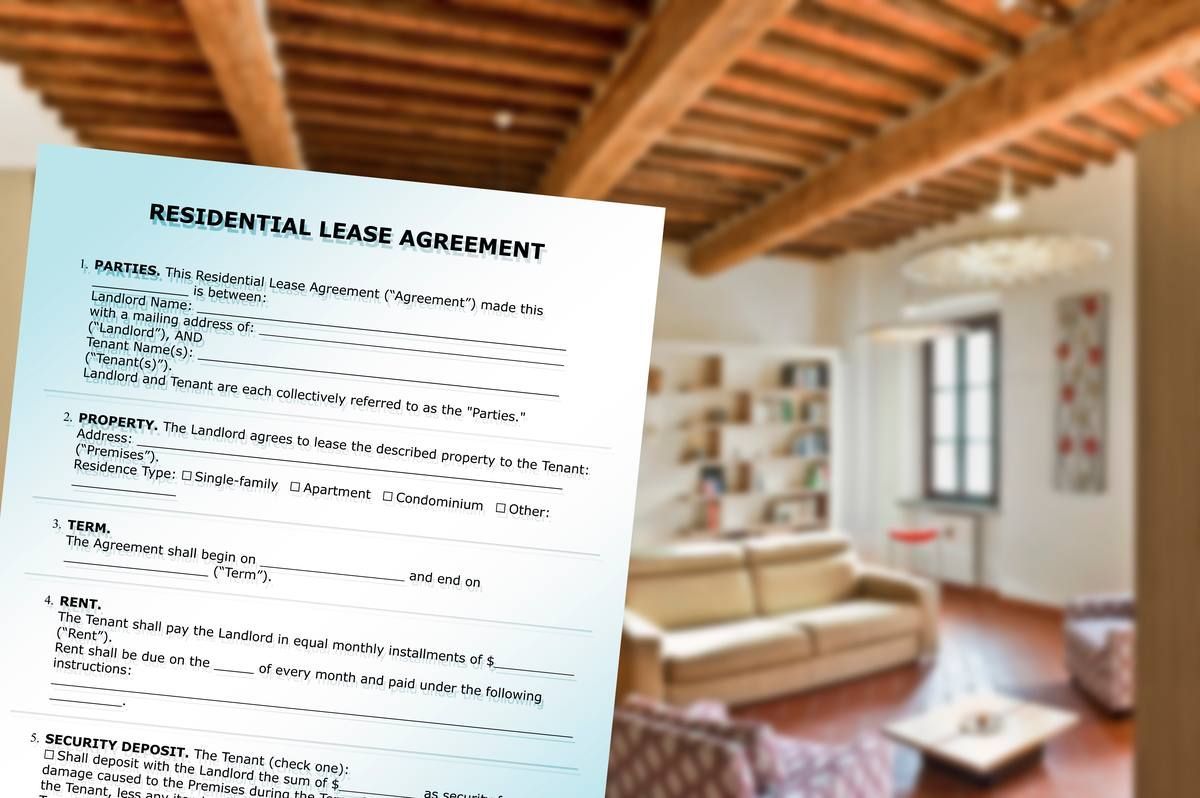
Clear lease language helps prevent misunderstandings and ensures that both parties understand their responsibilities. Professional property management companies often include detailed utility clauses in lease agreements to avoid disputes.
How Beach Cities Management Helps Property Owners
At Beach Cities Management, we help landlords make informed decisions about utility billing as part of our full-service Long Beach property management services. By helping landlords manage utilities effectively, we help maintain tenant satisfaction while protecting property profitability. Our team evaluates each property individually to determine the most practical and financially responsible approach.
Our services include:
- Reviewing property utility structures
- Advising on rent pricing strategies
- Implementing fair utility billing policies
- Ensuring lease agreements clearly define responsibilities
Need Help Managing Your Rental Property?
If you want expert help managing maintenance, utilities, and tenant relations, Beach Cities Management can help simplify the process.
Apply today through our Owner Application. Let Beach Cities Management handle the details of property management in Long Beach CA so you can focus on growing your rental property investment with confidence.
Share this post