Utilities You Can Have Your Tenants Share
Managing utilities in rental properties requires clear planning, especially when dealing with shared services. In smaller rentals such as properties with one or two units, it's not uncommon for some utilities to remain on a single account. This can be due to infrastructure limitations or to streamline overhead costs.
Below, we’ve gathered three utilities that you can share with your tenants, and why landlords are choosing to do so.
Water and Sewage
While sharing utilities with your tenant can be a difficult conversation to navigate, sharing water and sewage with your tenant is usually better for all involved, especially for landlords renting their Accessory Dwelling Units (ADUs) while living in the main residence.
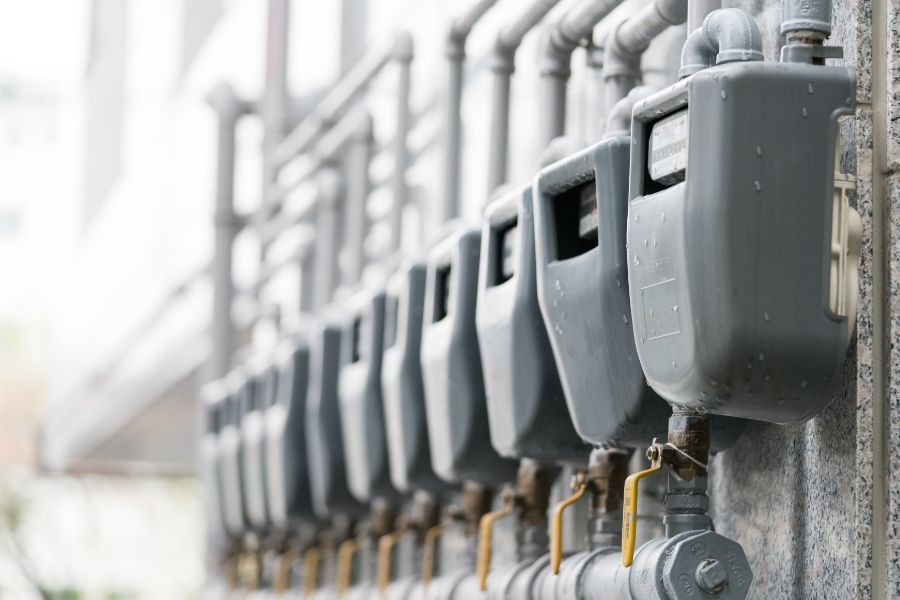
In rental properties with only one or two units, such as single-family homes with an ADU, water and sewage services are usually billed through a single meter. Although having a separate meter is possible, this is usually done during the
original construction of an ADU and many landlords don't see significant benefits from installing an additional meter. For smaller rental properties, even submetering is less common due to installation costs. Though it remains a viable option in some cases. This means the property owner generally receives one combined bill rather than separate charges for each individual unit.
As a result landlords will commonly include water and sewage costs in the rent as this approach is easier to implement while not requiring any additional infrastructure. Fortunately this set up is quite simple and helps landlords avoid administrative complexity while tenants can rest easy not having to set up a separate utility account.
Electrical Bill
Electric utilities oftentimes present challenges in ADU setups, particularly when units aren't metered separately. However, unlike with water, there are meters that can be installed retroactively to track usage. Though when the ADU isn't metered, landlords are required to determine a fair and practical method of allocating costs between their tenants. Usually, this involves incorporating the cost into the rent. These methods are used widely to avoid the costs and complexity of installing separate meters, which may not be possible in the current structure.
Simplicity is the primary advantage of shared electrical arrangements, though it does come with its own risks. Remember that there will be days when a tenant may use more power than what you've calculated. Tenants may use more power than necessary leading to overconsumption and an increased overall cost. To reduce this potential issue, landlords should clearly define how electricity costs are handled, as well as if potential adjustments may occur.
Sharing Internet and Wi-Fi
In rental properties such as duplexes or ADUs, sharing an internet connection has become a more common and practical arrangement. Unlike traditional utilities that require physical infrastructure, internet service can oftentimes be extended across units using routers or access points, making it one of the easier services for landlords to share with their tenants.
Some of the benefits of sharing the internet can eliminate the need for multiple installations and wires connecting to the power lines. Nowadays, a single high speed plan can provide internet access to multiple tenants at a time within reason. Additionally, providing internet access can make your rental feel more competitive in the market, especially since reliable connectivity is increasingly being considered a basic necessity.
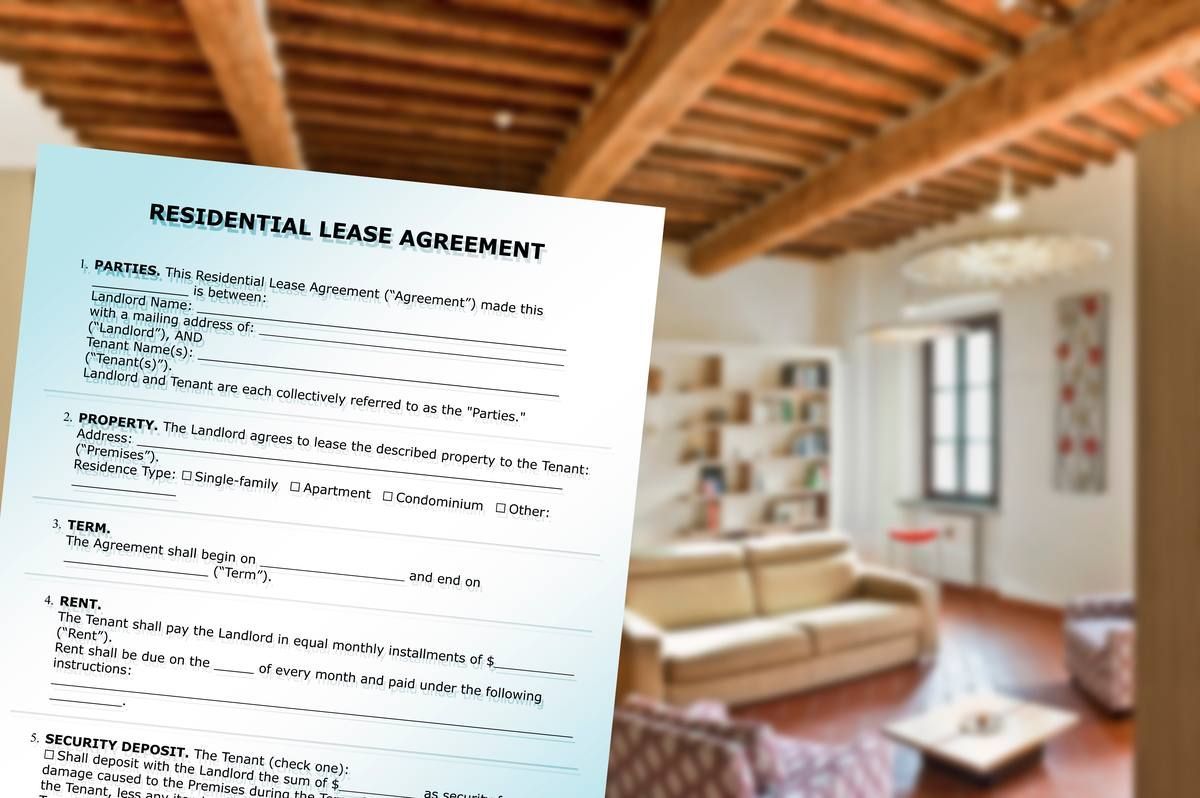
Landlords do need to implement clear expectations regarding usage, network security and acceptable activity. Lease agreements should outline any limitations, and responsibilities for maintaining access.
Establishing defined responsibilities within the lease agreements helps to prevent misunderstandings when it comes to sharing utilities. A well planned strategy shouldn't just simplify management,
it should contribute to tenant satisfaction. If you’re looking to incorporate shared utilities in your rentals or if you need help managing your Beach City rental property, we invite you to call us today at (562) 888-0247 or complete our
Owner Application online.
Share this post